

TL;DR: Sending chocolate in the mail requires careful planning to prevent melting and ensure your sweet treats arrive in perfect condition. Learning how to send chocolate in the mail successfully means understanding temperature control, choosing the right insulated box, and timing your shipment strategically. Whether you’re mailing chocolate as a gift or shipping products for your business, protecting chocolate from melting during transit involves using gel packs, selecting appropriate packaging materials like mail chocolate boxes, and considering temperature-sensitive shipping methods. This guide covers everything from choosing between milk chocolate, white chocolate, and cocoa butter-based products to understanding when chocolate products are most vulnerable as they rise to the surface in warm conditions.
One of the most thoughtful, handmade items you can give is the gift of chocolate. However, with friends and family located throughout the country, the thought of sending your handmade creations in the mail seems daunting.

A few questions that can come up include, will my chocolate melt in the mail? How do I keep my candies safe? Or the big question – will my chocolate arrive in time?!
Don’t worry, we’re here to help ease your shipping chocolate woes. From the packing supplies you need to tips on how to keep it from melting and more – we’ve got it all here. Check it out!
Will Chocolate Melt in the Mail?
When you’ve taken the time and care to create a beautiful gift, your top priority should be making sure that it arrives safely. While different types of chocolates have different melting points, the melting point of chocolate can be as low as 70°F. When it comes to shipping chocolate, keep your internal box temperature nice and cool with the appropriate packaging materials.
Quick Chocolate Packaging Tips To Remember
- Before sending chocolate in the mail, use food-safe candy packaging to keep your sweets safe. Then, once individually taken care of, cushion and box your package in a larger shipping container.
- When you’re picking out your shipping container, make sure it’s large enough for cushioning, a cold pack, and your chocolates.
- Make sure your final final package is tightly sealed and clearly labeled.
How to Package Chocolate for Shipping: An In-Depth Guide
From our packaging professionals to you, here’s how you can keep your chocolates safe.
Step 1: Package Your Candy Right
Protect your chocolates from the get-go with candy boxes, inserts, or candy pads. Look for candy boxes and accessories that are food safe and can keep your chocolates neat and separated.
The Complete Candy Package
FYI: If you want to take an extra precautionary step, take care of your candies on an individual level and wrap them using foil liners or candy wrappers.
Step 2: Choose The Right Shipping Box
When you’re shipping precious items like chocolate, prioritize safety with an extra-sturdy box for shipping. Look for a box large enough to support your chocolate box, your cushioning, and a cooling pack. Your box should also be thick and sturdy enough to provide support on all sides in case your package gets jostled during the commute.
Our Favorite Chocolate Shipping Boxes
Step 3: Pick Your Padding

To make sure your sweets are extra-safe, fill in the space between your candy box and outer shipping box. Invest in cushioning for shipping; look for materials that are flexible enough to fill any tight spaces, but durable enough to cushion and protect. A few popular padding materials for shipping chocolate include loose fill cushioning or bubble wrap.
Cushioning That Protects
Step 4: Include Cold Packs
When you’re shipping perishables like chocolate, temperature control is crucial. The commute may subject your package to harsh environmental conditions like extreme heat or humidity. To help keep your chocolates intact and regulate temperature inside your package, carefully package your chocolates with cooling agents like gel ice packs or dry ice.
Remember: Cooling agents do have the tendency to melt or thaw. To keep your candies safe from unwanted condensation. Creating layers between your ice pack and chocolates can help reduce the transfer of heat through your container walls. Simply cover your chocolate package with a protective layer of loose fill cushioning and add an ice pack double wrapped in a plastic bag (at least 2-mil).
Step 5: Collect Additional Packing Supplies
Finally, to make sure your items arrive safely and quickly, clearly label the container you are using to ship. Regarding labeling your package, we’ve got a few tips for you –
- The text on your label should be neat and easy to read. If possible, we recommend printing on matte white labels.
- If your package has a barcode, help make the scanning process easier by positioning your barcode on a flat side of your package.
- Because perishables are fragile and more susceptible to damage, don’t hesitate to attach a warning label to make the carrier aware.
Packaging Supplies You Need To Ship Safely
Pick The Right Shipping Options
When it comes to shipping time-sensitive, speciality gifts, it’s crucial to consider shipping times and costs. It is not uncommon for third party carriers to request a 3-4 business day processing time (even for expedited shipping!). Make sure you have enough time for your chocolates to arrive by packaging and sending your items
A Special Note For Businesses: If you are a business and you’re shipping chocolates to a customer, keep communication between you and your recipient open. Make it clear to your customers that opting for a faster delivery option will make it more likely that their package will arrive in ideal condition. Don’t hesitate to let them know that cooling agents like cold packs may add weight and extra fees to any shipment.
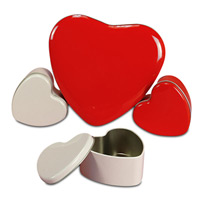 Find The Chocolate Shipping Supplies You Need at Paper Mart!
If you need help finding a premium candy packaging solution at low price for you and your small business, we’ve got you covered. Check out our wide variety of candy packaging options here!
Key Takeaways: M
- How to ship chocolate without it melting starts with choosing an insulated box and adding gel packs to maintain cool temperatures during transit
- Use temperature-sensitive shipping labels to alert carriers that your package contains mailing chocolate that requires careful handling
- Avoid sending chocolate in the mail during summer months when temperatures exceed 72°F—chocolate from melting becomes inevitable in extreme heat
- White chocolate and milk chocolate are more vulnerable to heat damage than dark chocolate due to their cocoa butter and dairy content
- Mail chocolate in dedicated chocolate products packaging designed with protective layers to prevent damage
- Include gel packs positioned around (not directly touching) chocolate to maintain consistent cool temperatures throughout the insulated box
- Consider overnight or 2-day shipping methods to minimize time in transit and reduce melting risk
- Watch for chocolate that may rise to the surface of packaging if melting begins—proper insulation prevents this issue