
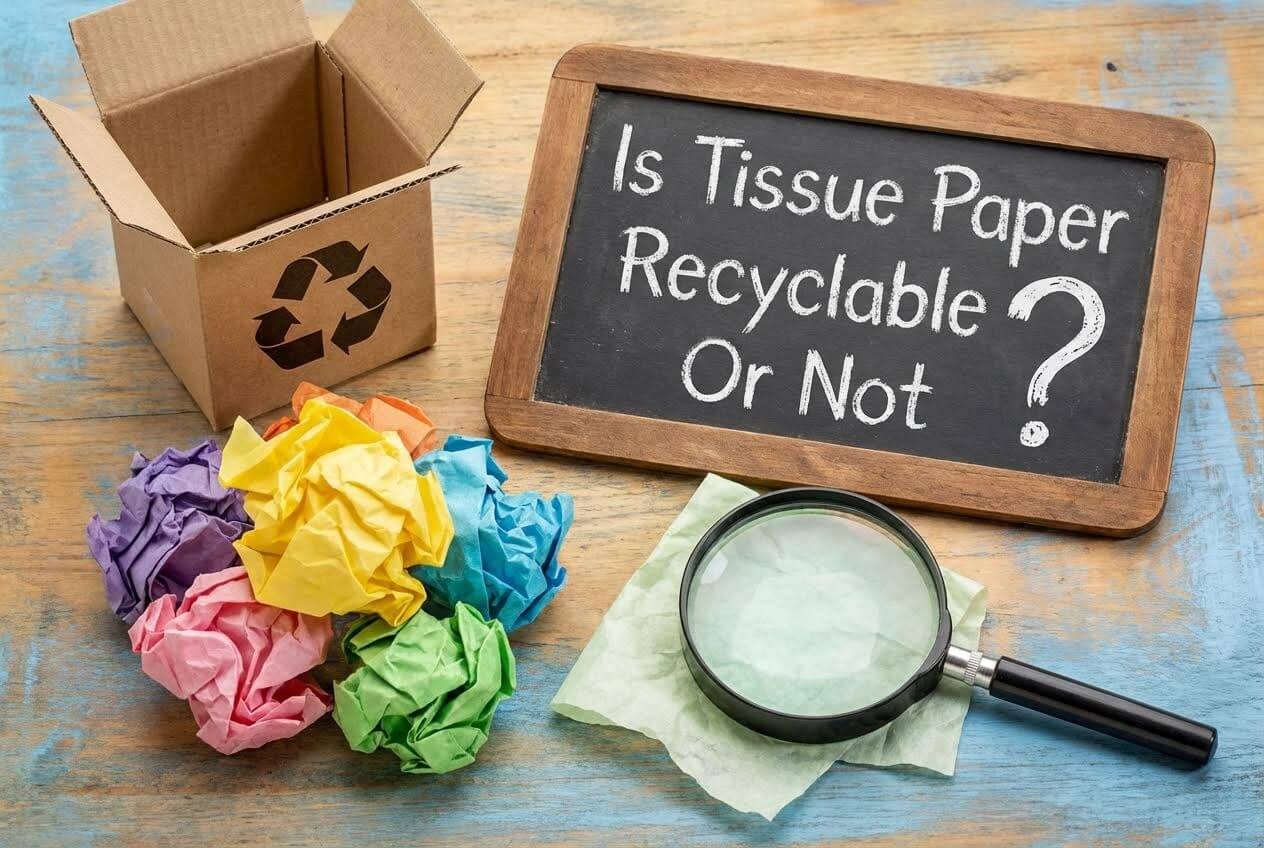
You’ve just unwrapped a gorgeous gift, and now you’re staring at a pile of crinkled tissue paper. It’s paper, so it must be recyclable, right? Well, the answer isn’t as simple as tossing it in your recycling bin and calling it a day. Understanding whether tissue paper is recyclable matters more than ever as we all work toward sustainable packaging choices. This article cuts through the confusion and gives you the real facts about recycle tissue paper, plus practical alternatives you can use right away.
What Makes Tissue Paper Different From Other Paper Products?
Tissue paper stands apart from standard office paper or cardboard. The manufacturing process creates an ultra-thin, delicate material that’s perfect for wrapping gifts and protecting fragile items during shipping. Most tissue is made from virgin wood pulp or recycled materials. The paper fibers get mixed with water to create a slurry, which then gets spread thin and dried.
Unlike thicker paper products, tissue paper has significantly shorter fibers. This characteristic affects its journey through the recycling process. Standard printer paper can withstand multiple recycling cycles, but tissue paper sits at the end of that fiber life cycle. Each time paper gets recycled, those fibers get shorter and weaker.
The paper products family includes everything from sturdy packaging boxes to delicate printed tissue paper. Colored tissue paper often contains dyes that can complicate recycling. Christmas tissue paper with festive prints might include special inks. These variations all impact how facilities handle the material.
Can Tissue Paper Go In Recycling?
Here’s where things get tricky. Technically, plain tissue paper is recyclable. Paper mills can process it back into paper pulp. However, most curbside recycling programs reject it. The reality creates a gap between what’s theoretically possible and what actually happens in your community.
Several factors determine if your local facility will accept tissue paper. The thin, lightweight nature makes it problematic for sorting equipment. These machines often miss tissue paper entirely or mistake it for contamination. Additionally, the short fiber length means tissue paper adds minimal value to the recycling stream compared to sturdier paper grades.
Some municipalities accept tissue paper in their recycling programs while others don’t. Check with your local recycling center before putting tissue wrapping paper in your bin. The guidance can literally change from one county to the next.
What Are The Three Types Of Paper That Cannot Be Recycled?
Not all paper makes the cut for recycling. Three major categories consistently get rejected. First up is paper contaminated with food waste. That greasy pizza box bottom? It can’t be recycled because oils interfere with the recycling process. The grease doesn’t separate from paper fibers during repulping.
Second, paper with plastic coating or lamination gets the boot. Think of those shiny magazine covers or metallic wrapping paper. The coating prevents the paper from breaking down properly. Facilities can’t efficiently separate the plastic layer from the paper base.
Third, paper treated with foil and glitter falls into the non-recyclable category. These decorative elements contain microplastics that contaminate entire batches of recycled paper. Even a small amount can ruin an entire load. This applies to fancy gift bags with glitter or foil-embellished tissue paper.
Is Tissue Paper Recyclable Or Not?
The million-dollar question deserves a nuanced answer. Plain, undecorated tissue paper is technically recyclable. The material composition allows it to be repulped and transformed into new paper products. But the practical reality tells a different story.
Most recycling facilities won’t accept it through standard curbside pickup. The tissue paper means more sorting complications than benefits for these operations. The lightweight sheets get tangled in machinery. They create bottlenecks in automated sorting systems. The short paper fibers offer limited value compared to higher-grade materials like office paper or cardboard.
Tissue paper is made from already-recycled materials in many cases, which further shortens those fibers. This positions it near the end of its useful recycling life. After being processed once or twice, the fibers become too short to create quality recycled paper. The recyclability depends on your specific situation and local infrastructure.
Can Tissue Paper Go In Paper Recycling?
Paper recycling bins accept many materials, but tissue paper isn’t always welcome. The answer depends entirely on your local waste management facility and their specific capabilities. Some advanced facilities equipped to handle delicate materials may accept it. Others immediately reject any tissue submissions.
Consumer confusion often leads to “wishcycling” – tossing items in the recycling bin and hoping for the best. This practice actually harms the recycling stream. Contaminated loads get sent straight to landfills. A single contaminant can ruin an entire truck’s worth of otherwise recyclable materials.
Check with your local recycling center to get definitive guidance for your area. Many municipalities post detailed lists online showing exactly what they accept. Some offer phone hotlines where staff can answer specific questions about custom tissue paper or other specialty items.
Why Do Recycling Facilities Struggle With Tissue Paper?
Understanding the mechanical side helps explain the challenges. Modern recycling facilities use sophisticated sorting equipment designed for standard packaging and paper products. These machines rely on weight, density, and material characteristics to separate different recyclables. Tissue paper throws a wrench in these carefully calibrated systems.
The paper fibers in tissue are so short and fine that they often pass through screens meant to catch paper. Air currents in the facility blow lightweight sheets around, mixing them with other materials. Crepe paper, with its characteristic wrinkled texture, can ball up and jam conveyor systems. The paper is recyclable in theory, but facility limitations prevent practical implementation.
Economic factors play a role too. Processing tissue paper costs money while returning minimal value. Recyclers need to sell their sorted materials to paper mills to stay profitable. Paper mills prefer higher-quality source materials with longer fibers. They’ll pay more for office paper than tissue because it creates better end products.
What About Decorated And Custom Tissue Paper?
Plain tissue paper faces enough obstacles, but decorated versions create additional complications. Custom tissue paper printed with water-based or soy-based inks generally maintains its recyclability. These eco-friendly inks break down during the recycling process without leaving harmful residues.
However, tissue printed with petroleum-based ink or toner isn’t recyclable. The chemicals don’t separate from paper fibers properly. This contamination reduces the quality of recycled materials. Tissue paper with full-coverage printing, even with acceptable inks, can also cause problems. The heavy ink coverage adds chemicals to the compost pile or recycling stream.
Metallic tissue paper never belongs in recycling. The metallic coating contains plastics that contaminate batches. Similarly, tissue with foil and glitter creates immediate disqualification. These decorative elements might look festive, but they aren’t recyclable or compostable. The same applies to tissue paper with plastic windows, ribbons attached, or laminated surfaces.
Is Tissue Paper Compostable? Your Best Alternative Option
Here’s where the good news starts. Tissue paper is compostable when it’s free from certain contaminants. Plain colored tissue paper without metallic finishes breaks down beautifully in compost piles. The paper adds carbon-rich “brown” material that balances nitrogen-heavy kitchen scraps.
Home composting works perfectly for undecorated tissue. Tear sheets into smaller pieces to speed decomposition. Mix tissue with green materials like vegetable peels and grass clippings. The paper is biodegradable, meaning it naturally breaks down into organic matter that enriches soil.
Industrial compost facilities can often handle tissue paper that home compost bins might struggle with. These operations maintain precise temperature and moisture conditions that accelerate breakdown. However, you still need to avoid tissue with foil, glitter, or heavy plastic-based printing. These materials don’t belong in any compost bin or pile.
The biodegradable nature makes composting more practical than attempting to recycle tissue paper. Within weeks or months, your discarded wrapping transforms into nutrient-rich soil amendment. That’s a much better outcome than sitting in a landfill for years.
Understanding Different Types Of Tissue Paper And Their Disposal
Not all tissue paper products serve the same purpose, and their disposal methods vary accordingly. Gift wrapping tissue represents just one category. Paper towels fall under the tissue umbrella too, but used paper towels contaminated with food or cleaning products definitely can’t be recycled. They belong in trash or compost, depending on what they touched.
Printed tissue paper used in retail packaging often features brand logos or decorative patterns. If printed with water-based inks on plain paper stock, it can potentially be composted. Check for certifications like FSC® Certified, which indicates sustainably sourced materials. Brands increasingly choose recycled materials and sustainable printing methods.
Specialty items like Christmas tissue paper or holiday-themed varieties often incorporate metallic elements or excessive dye. These festive touches reduce sustainability. Plain white or naturally colored tissue paper offers the most disposal flexibility. Consumers and businesses alike should consider this when creating packaging strategies focused on sustainability goals.
How To Dispose Of Tissue Paper Responsibly
Making responsible disposal choices doesn’t require complicated procedures. Start by examining your tissue paper carefully. Look for metallic coating, glitter, or other decorative elements that disqualify it from composting or recycling. Plain sheets without these features give you the most options.
If your local facility accepts tissue paper for curbside recycling, fold it neatly and place it in your recycling bin. Don’t ball it up, as that makes sorting even harder. Consider putting it inside a paper grocery bag to keep sheets together during transport and processing.
For composting, tear tissue into strips or small pieces. Add it to your home compost pile or compost bin mixed with food waste and yard trimmings. The tissue paper can be recycled through nature’s own system. Municipal compost programs often accept tissue paper even when curbside recycling won’t. Check your local guidance.
When neither recycling nor composting works, reuse becomes your next best option. Smooth out wrinkled sheets and save them for future gift wrapping. Use tissue as craft materials or packing material for delicate items. This reuse approach delays the need to dispose of the material while getting more value from each sheet.
What Makes Tissue Paper Sustainable Or Not?
Sustainability extends beyond just recyclability. The tissue paper is made from virgin wood pulp or recycled content. Products using post-consumer recycled paper reduce demand for virgin fiber. This protects forests and decreases the manufacturing carbon footprint.
Premium tissue paper often comes from virgin wood sources. While this can indicate higher quality and better wrapping characteristics, it’s less environmentally friendly than alternatives. Look for tissue made from recycled materials when possible. The packaging industry increasingly offers innovative options using recycled content without sacrificing quality.
The printing and manufacturing methods matter significantly. Tissue printed with soy-based inks rather than petroleum-based alternatives reduces environmental impact. Water-based coatings break down more readily than plastic-based options. Brands can support sustainability by choosing organic or eco-friendly materials throughout their supply chain.
Certification programs help consumers identify truly sustainable options. FSC® Certified tissue paper comes from responsibly managed forests. Products made with recycled content often display the percentage prominently. These certifications provide guidance for environmentally conscious purchasing decisions.
Creative Reuse Ideas For Tissue Paper
Before you toss tissue paper in any bin, consider its reuse potential. Gift wrapping remains the obvious choice. Gently used sheets can wrap smaller gifts or line gift bags perfectly well. Smooth out wrinkles and fold neatly for storage until your next occasion.
Craft projects love tissue paper. Create colorful flowers, party decorations, or art projects. Teachers often welcome donations for classroom supplies. The thin, colorful sheets work beautifully for paper mache, collages, or decoupage projects. Kids’ craft activities provide excellent tissue paper reuse opportunities.
Packing peanuts alternative? Crumpled tissue paper protects fragile items during shipping or moving. It’s more environmentally responsible than foam packing peanuts and works just as well for lightweight objects. The tissue cushions items while filling empty spaces in boxes.
Home organization benefits from tissue too. Line drawers with decorative sheets to protect delicate clothing. Wrap seasonal decorations for storage. Fill the space inside boots or purses to help them maintain their shape. These simple reuse strategies extend the useful life of every sheet.
What Businesses Should Know About Tissue Paper Packaging
For businesses creating packaging experiences, tissue paper presents both opportunities and challenges. Custom tissue paper elevates brand presentation while adding minimal weight to shipments. However, environmentally conscious companies must consider their tissue choices carefully.
Choosing plain tissue without metallic finishes, glitter, or heavy coating gives customers more disposal options. Many consumers specifically seek out brands with sustainable packaging practices. Clearly communicating disposal instructions helps customers make responsible choices.
Consider printing disposal guidance directly on tissue paper. Simple icons or text explaining composting or recycling options educate consumers at the point of use. Some brands include QR codes linking to detailed sustainability information. This transparency builds trust while supporting proper waste management.
Sourcing decisions matter tremendously. Partner with suppliers offering recycled content tissue printed with eco-friendly inks. Verify certifications and ask about the recycling process their products can withstand. Creating packaging that’s compostable, recyclable, or reusable should be part of every brand’s sustainability goals.
Making Smart Choices About Your Tissue Paper
Armed with this knowledge, you can now make informed decisions about tissue paper. The key takeaway? Location matters most. What works in one community might not work in another. Always check with your local recycling facility before putting tissue paper in your curbside bin.
Composting offers the most reliable disposal method for plain tissue paper without contaminants. The material breaks down naturally, returning valuable organic matter to the soil. This works whether you maintain a backyard compost pile or participate in municipal organic waste programs.
When shopping for tissue paper, prioritize plain varieties without metallic elements, excessive dyes, or plastic coatings. These choices give you maximum disposal flexibility. Look for products made from recycled paper and printed with water-based or soy-based inks. Read labels carefully to identify sustainably sourced options.
Remember that reuse trumps recycling in the waste hierarchy. Get creative with ways to extend tissue paper’s useful life before disposal. Every reuse cycle prevents another sheet from being manufactured, saving resources and energy. Small choices add up to significant environmental impact over time.
Your Tissue Paper Action Plan
Understanding tissue paper recyclability helps you make responsible choices. The answer isn’t universal – it depends on your location, the tissue type, and available infrastructure. Here’s your quick-reference guide for handling tissue paper responsibly.
- Always check local guidelines first. Your municipal waste management facility determines whether tissue paper belongs in recycling. Don’t assume based on other locations’ rules.
- Compost plain tissue paper whenever possible. This offers the most environmentally friendly disposal method for uncontaminated sheets. Tear into small pieces for faster decomposition.
- Avoid tissue paper with metallic coating, glitter, or foil. These decorative elements contaminate both recycling and composting. They belong in regular trash.
- Reuse tissue paper multiple times before disposal. Smooth out sheets for future gift wrapping, craft projects, or packing material. Maximize each sheet’s useful life.
- Choose plain, minimally processed tissue paper when purchasing. Simpler products offer more disposal options and typically have lower environmental impact.
- Look for recycled content and sustainable certifications. FSC® Certified or post-consumer recycled materials indicate more responsible sourcing.
- Educate others about proper tissue paper disposal. Share what you’ve learned to help friends, family, and colleagues make better choices.
- Support businesses that prioritize sustainable packaging. Consumer demand drives change in manufacturing and retail practices.
- Never contaminate recycling bins with questionable materials. When in doubt, compost or dispose in regular trash rather than risking entire recycling loads.
- Consider alternatives to traditional tissue paper. Reusable cloth wraps, recycled kraft paper, or newspaper offer more sustainable options for gift presentation.
Tissue paper sits in a gray area between recyclable and non-recyclable materials. Its thin structure and short fibers create challenges for standard recycling operations. However, its natural composition makes it perfect for composting when free from contaminants. By understanding these nuances and following your local guidance, you can ensure your tissue paper gets handled in the most environmentally responsible way possible. Every conscious choice contributes to a more sustainable future for packaging and paper products.