
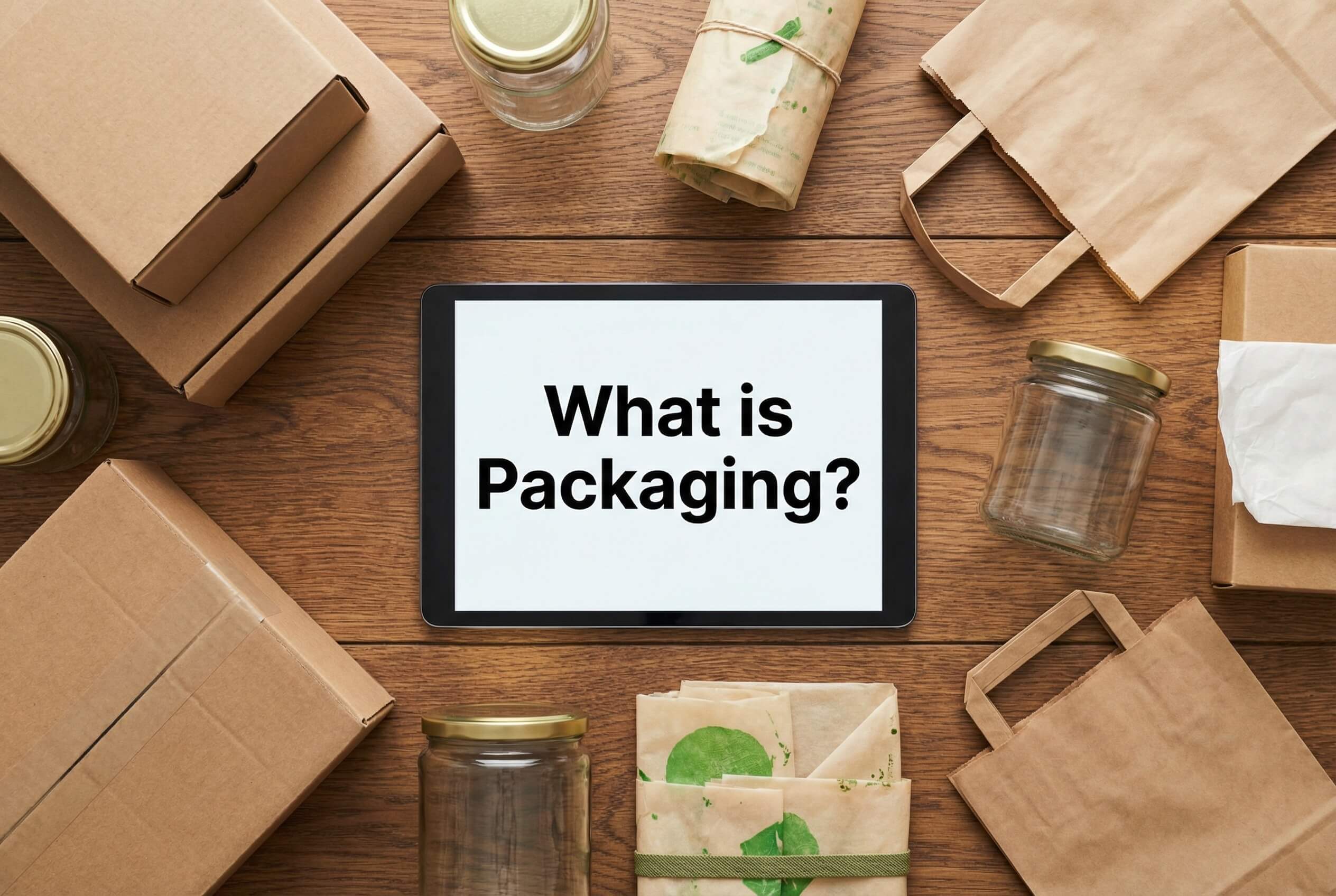
Every day, you see many packages. The box your morning coffee comes in. The nice wrap around your favorite cosmetic products. The strong container that safeguards your online order. But what is a package, and why is it so important for your business success?
This guide explains everything you need to know about packaging. You’ll learn how the right package protects your products, boosts your brand, and builds customer loyalty. Whether you’re introducing a new product or reconsidering your current strategy, understanding packaging is key to staying competitive in today’s market
What Does Packaging Actually Mean?
A package is the material used to enclose, protect, and present a product from the point of manufacture to the final consumer. Packaging is the first physical touchpoint between your brand and your customers. It’s far more than just a container.
The packaging is used to contain products ranging from tiny jewelry pieces to large appliances. Each package must be designed to protect the specific item it holds. A package for delicate items differs significantly from one designed for heavy equipment. The packaging material selected depends on what the product needs to stay safe during storage and transport.
Think of packaging as a complete system. The package you see on a retail shelf represents just one layer of a carefully coordinated approach. Multiple package components work together to ensure your product remains intact throughout its journey. From warehouse to doorstep, proper packaging keeps items secure.
Why Does the Importance of Packaging Matter to Your Business?
The importance of packaging extends far beyond simple containment. Well-designed packaging protects products from damage during shipping. This protection translates directly into cost savings through reduced returns and replacements. Packaging helps preserve product quality throughout the supply chain.
Your package serves as a marketing tool that works 24/7. Packaging influences purchase decisions at critical moments. Studies show that packaging is the first impression most customers have of your brand. The package often determines whether a shopper picks up your product or walks past it.
Smart packaging also improves operational efficiency. Proper packaging reduces storage space requirements and streamlines distribution. The packaging you choose affects shipping costs, warehouse organization, and inventory management. Good packaging decisions create ripple effects throughout your entire business operation.
What Makes Good Packaging Stand Out?
Good packaging balances multiple priorities simultaneously. Protection comes first—the package must prevent physical damage during handling and transport. But protection alone isn’t enough in competitive markets.
Effective packaging communicates clearly. The package displays essential product information where customers can easily find it. Brand identity shines through every design element. Good packaging makes your product instantly recognizable while meeting all regulatory requirements for packaging and labeling.
The best packaging also considers sustainability. Eco-friendly packaging materials appeal to environmentally conscious consumers. Choosing packaging that minimizes waste demonstrates environmental responsibility. Many brands now prioritize sustainable packaging as a core value. Eco-friendly packaging materials include recycled content, biodegradable options, and designs that use less material overall.
What Are the Three Levels of Packaging?
Understanding levels of packaging helps you create a comprehensive protection strategy. Each layer serves a distinct purpose in your product’s journey.
Primary packages have direct contact with your product. This is the immediate package your customer opens and uses. For jewelry packaging, the primary package might be a velvet-lined box that showcases the piece beautifully. For food packaging, the primary package must meet strict safety standards and extend shelf life. The primary package is critical because it touches your product directly.
Secondary packaging groups primary packages together. A carton holding multiple product units exemplifies secondary packaging. This layer of packaging protects against pilferage and makes handling easier. Secondary and tertiary packaging work together to move products efficiently through distribution channels.
Tertiary packaging handles bulk shipping and warehousing. Pallets, crates, and large containers fall into this category. This is transport packaging designed for warehouse storage and large-scale distribution. The packaging used at this level prioritizes durability and stackability.
What Are the Key Functions of Packaging?
The functions of packaging go well beyond simple containment. Each package serves multiple critical roles that affect business success.
Protection ranks as the primary function. The package shields contents from moisture, contamination, and physical damage. Packaging protects products during every stage of distribution. Well-designed packaging preserves a product’s integrity from factory to customer. Some products require specialized protective packaging to prevent spoilage or breakage.
Information transmission represents another vital function. Your package communicates how to use, store, and dispose of the product. Required product information appears on the package label. Packaging must display everything from ingredients to safety warnings. This packaging function builds consumer trust and ensures regulatory compliance.
Marketing and branding constitute the third essential function. The role of packaging in marketing cannot be overstated. Packaging plays a crucial role in brand recognition and customer attraction. Your package acts as a silent salesperson, making your pitch when no sales rep is present.
How Does Packaging Design Impact Your Brand?
Packaging design shapes customer perceptions instantly. The design process begins with understanding your target audience and brand’s visual identity. Colors, fonts, imagery, and materials all contribute to the brand message your package conveys.
Your packaging design must align with your overall brand strategy. Luxury brands invest in premium packaging materials and sophisticated design elements. Budget-focused brands emphasize functionality and value. The packaging type you select sends a clear signal about your brand positioning.
A well-designed packaging creates memorable unboxing experiences. Customers share these moments on social media, generating free publicity. The packaging also becomes part of the product story. When packaging influences how customers feel about their purchase, brand loyalty strengthens naturally.
What Packaging Materials Should You Consider?
The packaging material you select dramatically affects performance and perception. Each material offers distinct advantages and limitations.
Paper and carton options provide versatility for countless applications. These materials are commonly used for everything from shipping boxes to retail displays. Corrugate offers excellent protection for heavier items. Paperboard works beautifully for cosmetic packaging and food packaging where lighter protection suffices. These materials used in packaging are also highly recyclable.
Plastic delivers durability and moisture resistance. Flexible packaging made from plastic films protects products while reducing material usage. However, plastic raises environmental concerns. Many businesses now seek sustainable alternatives or use recycled plastic content.
Alternative materials are emerging as eco-friendly packaging solutions. Molded pulp, biodegradable films, and plant-based materials offer environmental benefits. These packaging materials appeal to consumers who prioritize environmental responsibility. The packaging industry continues developing new sustainable options.
What Types of Packaging Fit Your Product Needs?
Different types of packaging serve different purposes. The main types of packaging include rigid containers, flexible packaging, and semi-rigid options.
Rigid packaging provides maximum protection. Boxes, crates, and rigid containers protect fragile or valuable items. Jewelry packaging typically uses rigid boxes to convey luxury and ensure security. A cylinder or other shaped rigid packaging can differentiate products on crowded shelves.
Flexible packaging includes bags, pouches, and films. This packaging type uses less material while maintaining protection. Food packaging often employs flexible packaging to extend shelf life through specialized barrier films. The packaging needs of snack foods differ significantly from fresh produce requirements.
Specialty packaging categories address unique product requirements. Child-resistant packaging protects young children from accessing dangerous substances. Tamper-evident packaging ensures product integrity and consumer safety. Packaging components can be combined to create custom packaging solutions that precisely meet specific needs.
Why Is the Package Called the Silent Salesperson?
The package earns its reputation as a silent salesperson through constant performance. When your sales team isn’t present, packaging does the selling. The package catches attention, communicates benefits, and motivates purchase decisions.
Packaging is the first thing most customers see. In crowded retail environments, your package must stand out immediately. The packaging creates critical first impressions that influence whether shoppers engage with your product. Research shows that packaging is often the decisive factor in purchase decisions.
Packaging in product marketing works through visual and tactile appeal. The unboxing experience extends the sales process beyond initial purchase. Well-designed packaging encourages repeat purchases and word-of-mouth recommendations. Your package continues selling long after customers leave the store.
How Does Your Packaging Strategy Drive Business Success?
A comprehensive packaging strategy aligns with broader business objectives. Smart packaging decisions consider costs, customer expectations, and competitive positioning. The process of designing packaging requires balancing multiple factors.
Your packaging strategy should address the entire product lifecycle. This includes sourcing packaging materials, production efficiency, and end-of-life disposal. Several types of packaging might be needed for different sales channels. E-commerce requires different protective packaging than retail display.
Outside the primary packaging, consider how all layers work together. Secondary and tertiary packaging must integrate with logistics systems. The packaging must align with warehouse equipment, transportation methods, and retail display requirements. Choosing packaging strategically reduces costs while maintaining quality.
Consumer packaging trends constantly evolve. Packaging manufacturers develop new solutions to meet changing demands. Staying current with packaging innovations keeps your brand competitive. Your packaging strategy should be reviewed regularly and adjusted as markets shift.
Key Essentials Every Business Should Remember
- Protection is paramount – The package must safeguard products from the point of manufacture through final delivery to prevent physical damage and maintain product quality
- Multiple layers work together – Understanding the three levels of packaging helps create comprehensive protection strategies that optimize costs and efficiency
- Design drives sales – Packaging design functions as a silent salesperson that influences purchase decisions through visual appeal and clear communication
- Materials matter significantly – The packaging material you select affects protection, sustainability, cost, and customer perception of your brand’s values
- Information builds trust – Clear packaging and labeling that displays essential product information helps consumers make confident purchasing decisions
- Sustainability matters – Eco-friendly packaging materials and sustainable packaging solutions increasingly influence consumer loyalty and purchase patterns
- Branding through packaging – Your package communicates your brand’s visual identity and market positioning before customers interact with the actual product
- Function follows form – Good packaging balances aesthetic appeal with practical functions of packaging including protection, information, and convenience
- Unboxing creates loyalty – Well-designed packaging creates memorable experiences that drive repeat purchases and social media sharing
- Strategy requires planning – A comprehensive packaging strategy that considers packaging types, packaging needs, and supply chain requirements delivers better business results
- Regulatory compliance matters – Packaging must meet industry-specific requirements for safety, information disclosure, and environmental standards
- Cost optimization is possible – Strategic packaging decisions reduce material usage, shipping weight, and storage space while maintaining product protection and brand image
- Consumer preferences evolve – Staying informed about packaging trends and consumer packaging expectations helps maintain competitive advantages
- Testing ensures success – Proper packaging protects products only when thoroughly tested under real-world conditions before full-scale production
- Integration drives efficiency – Packaging that works seamlessly with existing supply chain infrastructure and retail systems delivers maximum value