If you’ve ever received a package wrapped in those satisfying air-filled cushions, you’ve probably wondered what to do with the leftover bubble wrap. Can it join your cardboard boxes in the recycling bin? Should you toss it in the trash? The answer isn’t as straightforward as you might hope. This guide breaks down everything you need to know about bubble wrap recycling, including where to take it, which types are recyclable, and what options exist in your area. Whether you’re moving, running an e-commerce business, or just trying to dispose of packaging responsibly, understanding how to handle this plastic film material will help you make better choices for the environment.
What Makes Bubble Wrap Different from Other Plastic?
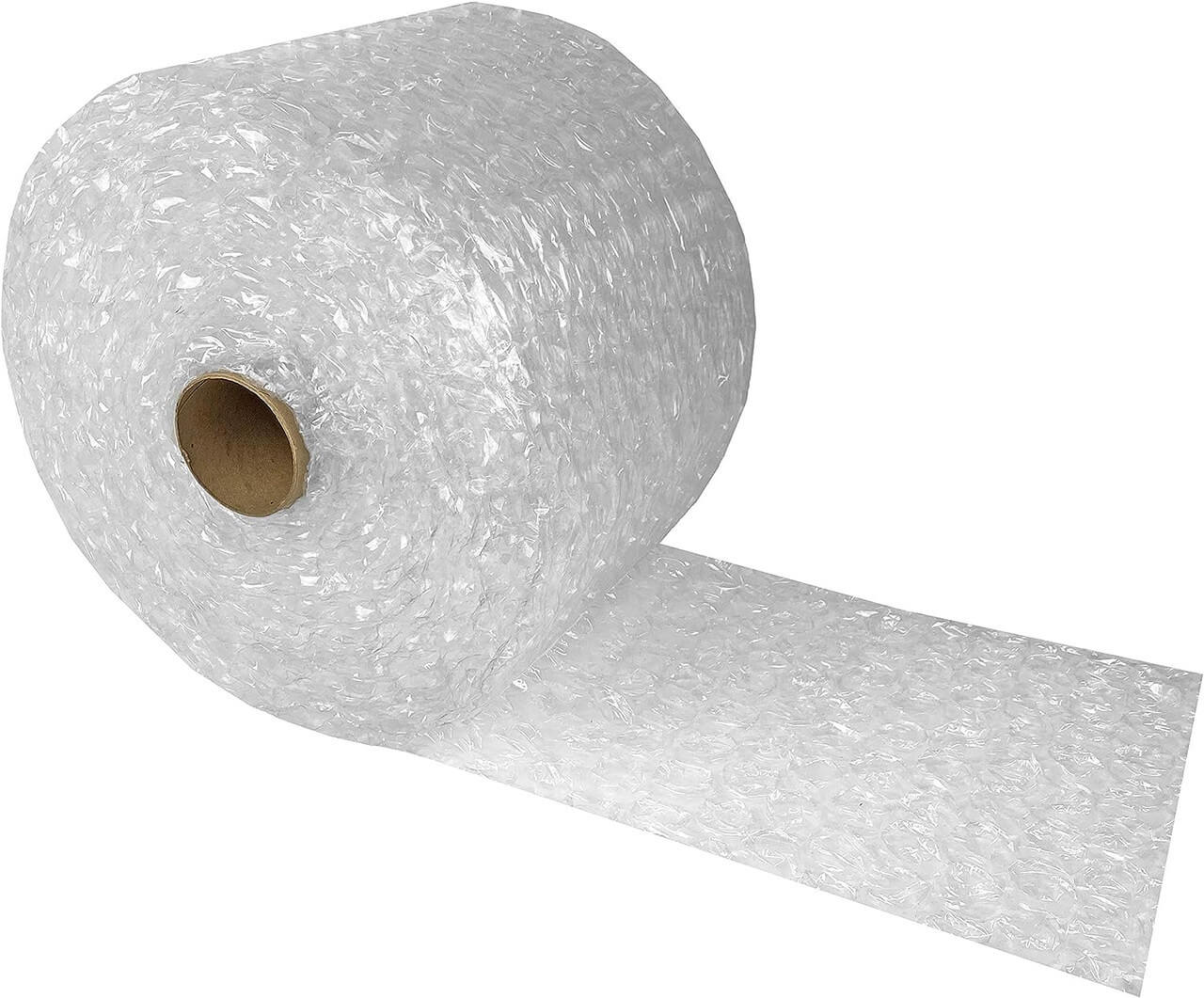
Bubble wrap falls into a category called soft plastic or plastic film. Unlike the hard plastics used for water bottles or food containers, bubble wrap is made from low-density polyethylene (LDPE). This material is classified as resin identification code #4, which you might spot printed on the wrap itself. The flexible, stretchy nature that makes bubble wrap perfect for protecting fragile items also makes it difficult to recycle through standard programs.
Traditional recycling facilities struggle with soft plastic films. The material tangles in sorting machinery, causing expensive shutdowns and equipment damage. That’s why most curbside recycling programs reject plastic bags, cell ophane wrap, and bubble wrap. These items require specialized handling that typical municipal recycling centers can’t provide.
The problem goes beyond machinery issues. Soft plastic waste needs to be clean and dry to avoid contaminating other recyclable items. Any dirt, moisture, or adhesive residue can ruin entire batches of recycling. This makes bubble wrap more challenging to process than paper or cardboard boxes.
Is Bubble Wrap Recyclable at All?
Yes, bubble wrap is technically recyclable. The material can be melted down and reformed into new products. However, “recyclable” and “actually recycled” are two different things. While the plastic can theoretically be processed, the infrastructure to handle it remains limited across the U.S.
Most residential curbside recycling programs don’t accept bubble wrap. Drop it in your recycling bin, and it will likely end up sent to the landfill anyway. Worse, it could contaminate other recyclable items or damage processing equipment. The recycling system wasn’t designed to handle lightweight plastic films that float through the air and wrap around machinery.
Some communities offer more options than others. California and Texas both have expanding networks of drop-off locations where residents can recycle bubble wrap alongside plastic bags. But availability varies significantly by city and county. Your best bet is checking local recycling programs to see what’s accepted in your specific area.
Where Can You Recycle Bubble Wrap?
Store drop-off programs offer the most accessible solution for bubble wrap recycling. Major retailers including grocery stores and home improvement chains often maintain collection bins near their entrances. These bins accept various types of plastic film, including grocery bags, shipping envelopes, and bubble wrap.
The key is finding participating locations near you. Start by checking the Plastic Film Recycling directory online or using Earth911’s search tool. These resources let you search for local drop-off recycling options by zip code. Many retail stores that offer plastic bag recycling also accept bubble wrap, though it’s wise to verify before making a trip.
Transfer stations and some recycling centers accept soft plastic films at designated drop-offs. Call ahead to confirm what materials they’ll take. Some facilities have specific requirements about cleanliness or quantity. Others charge fees for certain types of plastic packaging.
Make sure your bubble wrap is clean and dry before dropping it off. Remove any stickers, labels, or tape that might be attached. Contaminated plastic film gets rejected at recycling facilities, defeating the purpose of your effort. Bundle multiple pieces together in a clear plastic bag to make drop-off easier.
Can You Recycle Bubble Wrap with Plastic Bags?
Yes, bubble wrap can be recycled with plastic bags at most store drop-off locations. Both materials are plastic film made from similar resins. The collection bins at grocery stores typically accept anything that stretches when pulled. This includes shopping bags, produce bags, dry cleaning bags, newspaper sleeves, and bubble wrap.
However, you should keep certain items out of these bins. Hard plastics don’t belong with soft plastic films. Neither do biodegradable or compostable bags, which contaminate the recycling process. Plastic wrapping that held food should be thrown away unless thoroughly cleaned. Frozen food bags often have multiple layers that are difficult to recycle.
Bubble mailers present a special challenge. If the mailer has paper on the outside and bubble wrap on the inside, you need to separate them before recycling. The paper portion goes in your regular recycling bin. The bubble wrap portion can go to a store drop-off location. Some newer mailers and bubble wrap envelopes are made entirely from plastic and can be recycled together.
The recycling programs at retail stores specifically target soft plastic films. They send collected materials to specialized facilities equipped to handle these challenging plastics. This creates a separate stream from curbside recycling, allowing the material to be properly processed.
What Happens During the Bubble Wrap Recycling Process?
Once you drop off your bubble wrap at a collection point, it goes to specialized recycling facilities. There, workers sort the material to remove contaminants. The clean plastic film gets compacted into large bales for shipping to processing plants.
At the processing plant, the plastic undergoes washing to remove any remaining dirt or residue. Machines then shred the bubble wrap into small flakes. These flakes are melted down and formed into pellets. The pellets become the raw material for manufacturing new products.
Recycled bubble wrap doesn’t usually become new bubble wrap. Instead, it gets transformed into other items like plastic lumber, outdoor decking, or construction materials. Some becomes new plastic film for different applications. The recycled resin might also be used in drainage pipes, trash bags, or shipping pallets.
The greenhouse gas emissions from recycling plastic film are significantly lower than producing virgin plastic. Studies show that recycling plastic can reduce carbon emissions by up to 23% compared to manufacturing new material. This makes proper disposal and recycling worthwhile despite the extra effort required.
Is Bubble Wrap Recyclable in California?
California has relatively robust options for recycling bubble wrap compared to many states. The state’s focus on reducing plastic waste has led to expanded collection infrastructure. Many grocery stores, pharmacies, and retail stores throughout California maintain plastic bag recycling drop-offs that accept bubble wrap.
Major cities like Los Angeles, San Francisco, and San Diego have multiple drop-off locations where residents can recycle soft plastic. Even smaller communities often have at least one participating retailer. The state’s recycling programs continue expanding as awareness grows about plastic waste issues.
Some California municipalities have special collection events or permanent facilities for hard-to-recycle items. These might include bubble wrap and other plastic packaging. Check with your local curbside recycling provider or waste management district for specific programs in your area.
California’s approach emphasizes reuse before recycling. The state encourages residents to save bubble wrap for future shipping needs rather than immediately disposing of it. When bubble wrap finally reaches the end of its useful life, the store drop-off system provides a convenient recycling option.
Is Bubble Wrap Recyclable in Texas?
Texas residents can recycle bubble wrap through various store drop-off programs. Large retailers across the state participate in plastic film recycling initiatives. Cities like Houston, Dallas, Austin, and San Antonio all have numerous locations accepting soft plastic films.
However, Texas’s county-by-county approach means availability varies. Rural areas might have fewer options than urban centers. Some communities offer transfer station drop-offs for recyclable items including plastic film. Others rely entirely on retail collection points.
The accepted curbside materials differ by municipality in Texas. Most programs exclude plastic bags and bubble wrap from curbside pickup. Residents need to seek out alternative disposal methods through store drop-offs or special collection events.
Local grocery stores remain the most reliable option for Texas residents wanting to recycle bubble wrap. National chains operating in Texas typically maintain consistent recycling policies across locations. Calling ahead ensures the specific store you plan to visit accepts bubble wrap at their collection bins.
Should You Reuse Bubble Wrap Instead?
Reusing bubble wrap offers environmental benefits that surpass recycling. Manufacturing new plastic requires significant energy and resources. When you reuse your bubble wrap, you eliminate the need for both new production and recycling processing.
Bubble wrap holds up remarkably well through multiple uses. The air pockets maintain their cushioning properties even after repeated handling. You can safely reuse bubble wrap for protecting fragile items during moves, storing delicate decorations, or shipping packages to friends and family.
Consider these ways to try to reuse bubble wrap before recycling:
- Pack fragile items when moving boxes between homes
- Line moving boxes with bubble wrap for extra protection
- Wrap seasonal decorations for storage
- Cushion items in care packages or online marketplace shipments
- Insulate windows during winter months
- Protect plants from frost
- Use as padding for craft projects
Friends, family, or neighbors might appreciate free bubble wrap for their shipping needs. Online community groups often have people seeking packaging materials. Small businesses selling online frequently need protective bubble wrap but want to avoid buying new supplies.
When the bubble wrap becomes too damaged for further use, then it’s time to recycle. Take it to a store drop-off location rather than throwing it in the trash. This approach maximizes the material’s value before it needs reprocessing.
What About Bubble Mailers?
Bubble mailers can be recycled, but they require extra attention. These padded envelopes combine paper and plastic, creating a challenge for recycling systems. The paper exterior and plastic bubble interior need separation before recycling.
Carefully peel apart the paper and plastic layers. Some mailers make this easy with perforated edges or separate components. Others require cutting or tearing. Once separated, the paper portion goes in your curbside recycling bin. The bubble plastic portion goes to a plastic film drop-off location.
All-plastic bubble mailers simplify the process. These envelope-style packages made entirely from plastic film can go directly to store drop-offs. Check for any cardboard stiffeners or paper labels that need removal first.
The mailer’s condition affects recyclability. Heavily soiled mailers from damaged or leaking packages should go in the trash. The contamination risk outweighs the recycling benefit. Remove as many stickers and labels as possible to improve the material’s quality for recycling.
How Does Bubble Wrap Compare to Other Packaging Options?
Cardboard boxes offer easier recycling than bubble wrap. Paper-based packaging fits into standard curbside recycling programs without special handling. However, boxes provide less cushioning for fragile items. Many shipments need both cardboard boxes and protective padding.
Packing peanuts made from polystyrene face similar recycling challenges as bubble wrap. The lightweight foam blows around recycling facilities, causing contamination. Some newer packing peanuts are made from biodegradable materials that dissolve in water. These offer better end-of-life options than traditional plastic versions.
Alternatives to traditional bubble wrap continue emerging. Some companies now produce compostable packaging that breaks down naturally. Others use recycled paper materials formed into protective padding. These options typically cost more than standard bubble wrap but provide better environmental outcomes.
Each packaging type has trade-offs. Bubble wrap offers excellent protection and relatively low cost. Its recycling challenges mean careful disposal becomes crucial. Paper-based alternatives simplify disposal but might not protect items as well. Consider your specific needs when choosing packaging for shipping or storage.
Finding Local Drop-Off Centers and Collection Points
Start your search for local recycling options online. The Plastic Film Recycling website maintains a comprehensive directory of drop-off centers. Enter your zip code to find participating locations near you. The results show store addresses, accepted materials, and operating hours.
Your local grocery store likely has a collection bin near the entrance. Look for a large container with signage about plastic bag and film recycling. These bins typically accept bubble wrap alongside shopping bags and other soft plastics. Ask store staff if you don’t see a collection bin.
Some communities maintain pick-up services through private recyclers. These subscription programs collect hard-to-recycle materials from homes for a monthly fee. They often accept bubble wrap and other plastic films that curbside programs reject. Search for “specialty recycler” and your city name to find options.
Municipal transfer stations sometimes accept recyclable items beyond standard curbside pickup. These facilities serve as collection hubs for various materials. Call ahead to confirm they take bubble wrap and ask about any preparation requirements. Some charge fees based on volume or weight.
Hardware stores and shipping centers might collect plastic film. Stores selling moving boxes and packing supplies often help customers recycle these materials. Building supply retailers sometimes maintain drop-offs for plastic packaging they receive from suppliers.
FAQ: Common Questions About Bubble Wrap Recycling
Can bubble wrap go in the curbside recycling bin? No, most curbside recycling programs don’t accept bubble wrap. The soft plastic tangles in sorting equipment and causes problems at recycling facilities. Take it to a store drop-off location instead.
What type of plastic is bubble wrap? Bubble wrap is made from low-density polyethylene film, typically marked with resin code #4. This soft plastic differs from hard plastics like bottles that are accepted curbside.
Do I need to pop the bubbles before recycling? No, you don’t need to pop bubbles before recycling. However, flattening the wrap makes transport easier and takes up less space in collection bins.
Can dirty bubble wrap be recycled? No, contaminated bubble wrap should go in the trash. Recycling facilities need clean and dry plastic bags and films. Dirt or moisture can ruin entire batches of recycling.
Is biodegradable bubble wrap available? Yes, some companies produce compostable alternatives to traditional plastic bubble wrap. These specialized products cost more but break down naturally after disposal.
What’s made from recycled bubble wrap? Recycled plastic film becomes products like composite lumber, drainage systems, new plastic bags, and construction materials. It rarely gets made back into bubble wrap.
How long does bubble wrap last in landfills? Traditional plastic bubble wrap can persist in landfills for hundreds of years. It breaks down into smaller pieces called microplastics but never fully biodegrades.
Can businesses recycle large amounts of bubble wrap? Yes, businesses generating significant bubble wrap waste should contact local recyclers directly. Some companies offer commercial collection services for plastic film.
Making Better Choices for Your Packaging Needs
Understanding how to recycle bubble wrap helps you make responsible disposal decisions. While the material is technically recyclable, the process requires extra effort compared to standard recyclables. Store drop-off locations provide the most practical solution for most people.
Consider the full lifecycle when choosing packaging materials. Reusing bubble wrap multiple times reduces environmental impact more than single-use and immediate recycling. When you need new packaging, explore alternatives that fit easily into existing recycling systems.
The landscape of plastic recycling continues evolving. More communities are expanding collection infrastructure for soft plastics. New technologies improve the recycling process for challenging materials like plastic film. Staying informed about local options helps you recycle properly as capabilities improve.
Every piece of plastic film kept out of landfills makes a difference. Whether you recycle bubble wrap at store drop-offs, reuse it multiple times, or choose alternative packaging, your actions contribute to reducing plastic waste. Take a moment to search for local collection points and bookmark them for future use.
Key Takeaways: What You Need to Remember
- Bubble wrap is technically recyclable but not accepted in most curbside recycling bins due to equipment limitations
- Store drop-off programs at retail stores and grocery stores offer the best option for recycling plastic film and bubble wrap
- Clean and dry materials only – contaminated bubble wrap should be thrown away rather than recycled
- Reuse comes first – using bubble wrap multiple times for moving boxes, storage, or shipping reduces environmental impact more than recycling
- Location matters – California and Texas both have expanding networks of drop-off locations, though availability varies by community
- Separation required – bubble mailers often need paper and plastic components separated before recycling
- Special handling needed – plastic film recycling requires specialized facilities, not standard material recovery facilities
- Online directories help – use resources like the Plastic Film Recycling directory or Earth911 to find local drop-off centers
- Alternative packaging exists – consider biodegradable or compostable options for future packaging needs when appropriate
- Low-density polyethylene marked with resin code #4 can usually be recycled at plastic bag recycling drop-offs alongside bubble wrap